
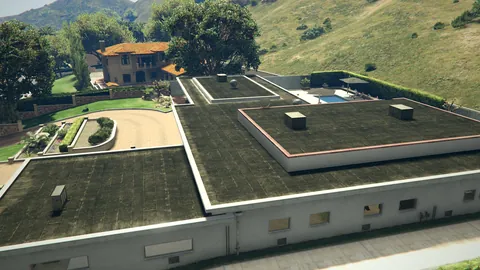
Server owner checklist before adding a new map
A practical checklist for FiveM server owners to run before adding any new map: game build, license account, area conflicts, performance, scripts and testing.
NXBy Team NolX
· 4 min read
If you run a roleplay server, you have probably seen "MLO" in every map listing and Discord channel. People use it loosely, so it is worth pinning down what it actually means, because it changes how a map behaves on your server.
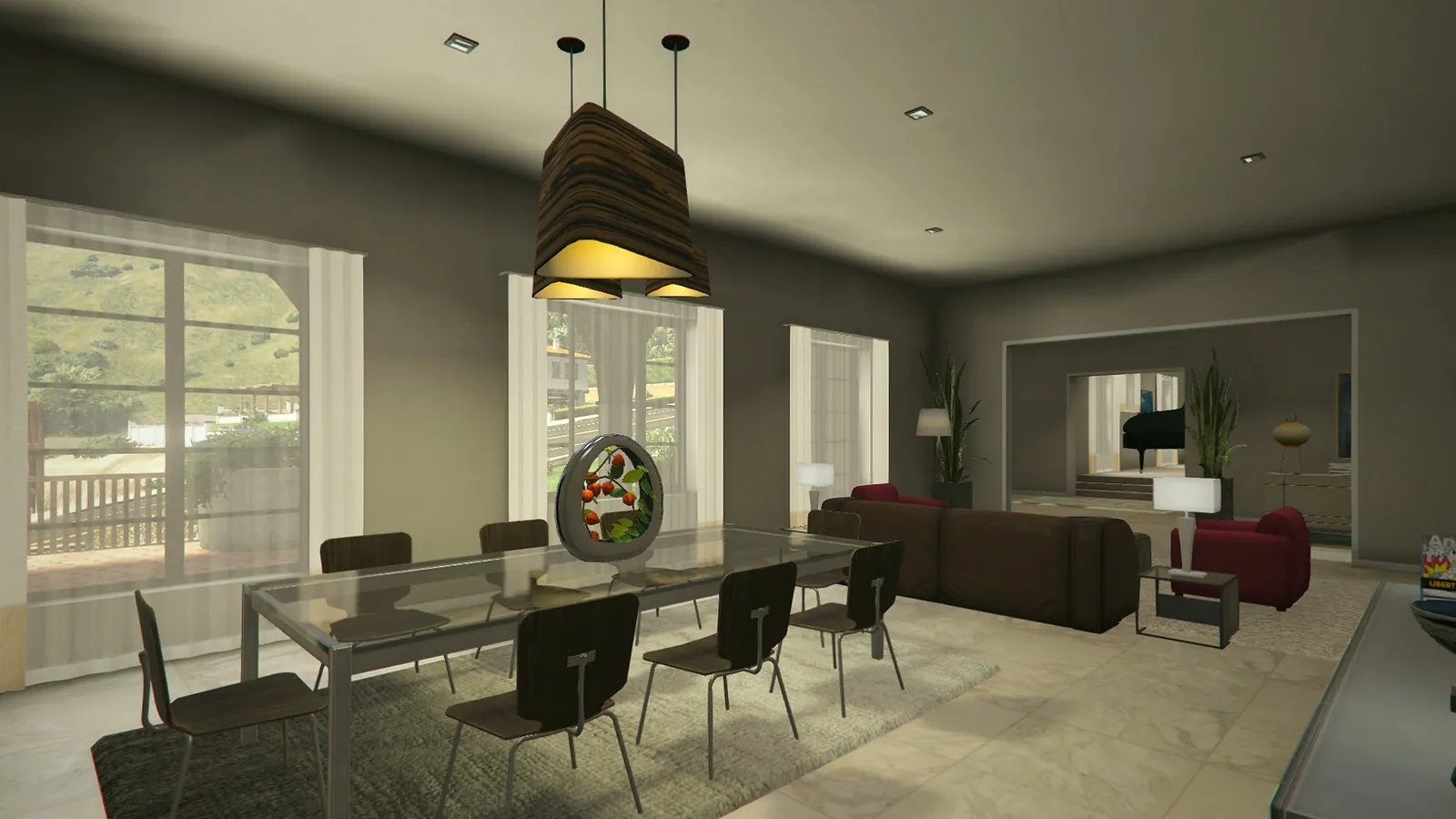
MLO stands for Multi Level Object. In GTA V terms, it is a real interior that lives at a fixed spot in the world. You walk through the front door and you are inside. No loading screen, no teleport, no fade to black.
The game already uses MLOs everywhere. The Vanilla Unicorn, the police stations, the hospital in Pillbox: those are all interiors defined the same way. A custom MLO just adds a new one, or replaces an existing building with something that has a usable inside.
There are roughly three ways a server gets "an interior":
For roleplay, the MLO wins nearly every time. A police raid on a house only works if the cops can stack up at the door, see through the window and breach into the actual room.
You do not need to build one to install one, but it helps to know the pieces:
The file types guide goes into which file holds which part.
This is the part most buyers do not expect. To put a new interior where a vanilla building stands, the mapper usually has to remove or edit the original: delete the old building, cut its collision, adjust occlusion so the new walls are not hidden. That means the MLO ships modified copies of Rockstar's own map files.
That is fine on its own. The trouble starts when two maps edit the same vanilla file, which is covered in why two maps of the same area break each other. If a seller locks those files, you cannot fix it yourself. Ours ship unencrypted for exactly that reason.
A map is not a script. An MLO is streamed geometry, textures and definitions, so it does not care whether you run ESX, QBCore, QBox, vRP or nothing at all. If a listing claims a map is "QBCore only", either it bundles scripts (doors, housing, jobs) or the seller is guessing.
What does matter is the game build. Many MLOs use props from newer GTA updates, so the server needs sv_enforceGameBuild set high enough. Our Richman houses, like the Villa Richman, need 2944 or newer. The Grapeseed and Sandy Shores buildings need 3717 or newer. The sv_enforceGameBuild guide explains why.
After a few years of installing other people's maps, these are the things I look at first:
config.lua you can open.Not every location deserves a custom interior. A server with 40 players does not need 30 houses that nobody visits. Pick buildings where roleplay will actually happen: a gang's base, a business players will run, a house that a family group will live in and defend.
Start with one or two well-chosen MLOs, test them properly, and grow from there. If you want a whole area done at once, look at a bundle like the Grapeseed Country Pack rather than buying buildings one by one, since packs are built to avoid the vanilla file conflicts mentioned above.
Keep reading
A practical checklist for FiveM server owners to run before adding any new map: game build, license account, area conflicts, performance, scripts and testing.